In Old Town Steamboat Springs, the Inspection Report Isn't the Document That Stops Your Renovation
August 27, 2026
August 27, 2026
Ask an Old Town buyer what worries them about an older home and most will say the wiring, or the plumbing, or whatever the inspector finds crawling through a hundred-year-old crawlspace. Ask what actually stopped their renovation, and the answer is usually something nobody put in front of them before closing.
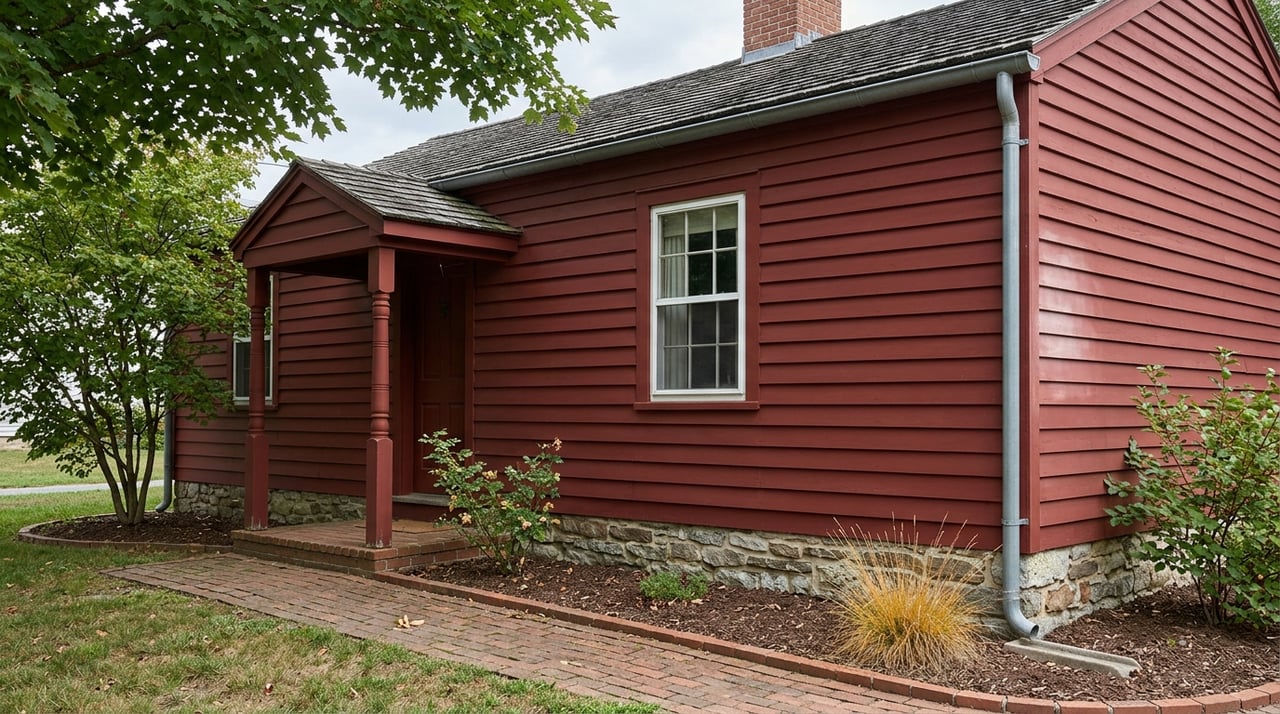
Old Town's housing stock runs from century-old miners' cottages on 7th and 8th Streets to renovated craftsman homes bordering Soda Creek Elementary, most of it built between the 1900s and the 1970s. That age is exactly why the standard playbook, get an inspection, negotiate repairs, close, doesn't cover the risk that actually changes what a buyer can do with the property. The bigger constraint sits in a city planning file most buyers never think to request.
Start with the part everyone expects. Homes from this era commonly carry knob-and-tube wiring that needs a licensed electrician to verify whether it has been de-energized or replaced, older galvanized plumbing lines prone to slow drains and backups, and, in mid-century construction, materials like floor tile, pipe wrap, and insulation that may contain asbestos and need accredited testing before anyone disturbs them. A sewer scope before listing is common advice for sellers precisely because these lines fail quietly and buyers ask about them specifically.
None of that is unique to Steamboat. Any inspector working a pre-1970s housing stock anywhere in the country will flag the same categories. What makes Old Town different is that fixing these things, or changing anything about the house once you own it, runs through a review process most national homebuying guides never mention because most towns don't have it.
The City of Steamboat Springs became a Certified Local Government in 1999, which lets it inventory buildings 50 years of age or older to determine whether they qualify as Eligible Resources for the Steamboat Springs Register of Historic Places. Under that program the city has completed close to 500 architectural and historical inventories of Old Town properties. If your prospective purchase already carries that designation, or is old enough to be flagged for one, any building permit or planning application on that property triggers a mandatory review by the city's Historic Preservation Advisory Commission before exterior changes can move forward.
Here is the part that catches buyers off guard: this status is a planning designation, not a property defect. Colorado's Seller's Property Disclosure form, updated for use starting January 1, 2026, asks sellers to report their current actual knowledge of adverse material facts. It does not ask whether the city's planning department has already inventoried the home as historically significant. A seller who has lived in the house for thirty years and never applied for a permit may genuinely not know their home carries Eligible Resource status, which means it will not show up on the disclosure form even though it changes what you can legally do with the property the day you close.
That's the mechanism worth understanding before you write an offer. The inspection tells you what's broken. The Cultural Resource Inventory tells you what you're allowed to fix, and how. You have to ask the Historic Preservation Planner directly, or pull the parcel's history through the Routt County Regional Building Department's CityView portal, because nobody is required to volunteer it.
Layer a second constraint on top. Most residential blocks in Old Town sit in what the city designates a Red overlay for short-term rentals, meaning STRs are prohibited outright, while the Lincoln Avenue commercial corridor sits in a Green zone where they're allowed. This isn't a minor footnote for a buyer running the numbers on carrying costs. If part of your plan for an aging Old Town cottage is renting it out on weekends to offset the cost of a new roof or an electrical panel upgrade, that plan only pencils out in the pockets zoned Green. It generally does not work on a residential Old Town block, and the designation applies by parcel, so it needs to be verified property by property rather than assumed by neighborhood.
That distinction matters most for the buyer profile drawn to Old Town in the first place: someone weighing a walkable, established neighborhood against a ski-in condo, who might be tempted to justify the premium with rental income the zoning simply won't allow. The trade for that buyer isn't yield. It's five-to-ten-year appreciation on a footprint that keeps its character because building is constrained, not because it produces cash flow along the way.
As of mid-2026, Old Town's pricing spans roughly the high $600,000s for condos, in buildings like Howelsen Place, The Olympian, The Victorian, and Alpenglow, up through $1 million or more for original-condition single-family homes and past $3 million for renovated properties on premium blocks. That range is wide enough that a neighborhood average tells you almost nothing. It's wide because condition and permitting history do more to set price here than square footage does. A renovated home with documented, city-approved work commands a real premium over a similar-sized property with the same bones and no permit trail, because a buyer's carrying risk drops the moment someone else has already cleared the Historic Preservation review on their behalf.
Before you write an offer on an Old Town property built before roughly 1976, work through this in order:
None of these steps are exotic. They're just easy to skip when a house shows well and the inspection comes back clean, which is precisely when the planning-department surprise tends to land.
Does every older home in Old Town require Historic Preservation Commission review? No. Review is mandatory only for properties formally designated as Eligible Resources or listed on the local register. Plenty of homes in the 50-plus age range have been inventoried but not designated, which is exactly why checking with the Historic Preservation Planner directly matters more than assuming based on the house's age or appearance.
Can I get any short-term rental income from an Old Town property? It depends entirely on the parcel. Most residential blocks fall in the Red overlay where STRs are prohibited, while the Lincoln Avenue commercial corridor is Green. Verify the specific parcel rather than relying on a general sense of the neighborhood's rules.
If the seller's disclosure doesn't mention historic designation, am I protected? The disclosure form covers the seller's current actual knowledge of material defects and adverse facts. A planning designation isn't a defect and may genuinely be something the seller never encountered. That's a gap in what disclosure covers, not a failure of the seller to comply with it, which is why independent verification through the city is worth the extra step.
Old Town rewards buyers who do this homework and rarely punishes sellers who did theirs early. If you're weighing a purchase or getting a historic Old Town home ready to list, Ryan Cox has spent two decades in this valley and nine years building and developing in it, which means the construction and permitting side of these conversations happens before it becomes a problem instead of after. Let's Connect.
Stay up to date on the latest real estate trends.

6 Airlines | 17 Nonstops



Ryan combines entrepreneurial vision, development expertise, and award-winning real estate experience to help clients navigate Steamboat Springs with confidence. From luxury homes and investment opportunities to new construction and mountain retreats, he offers insider knowledge shaped by years of hands-on experience and record-setting results. Let Ryan's expertise be the driving force behind your next real estate success.

RYAN COX
610 MARKETPLACE PLZ STEAMBOAT SPRINGS, CO 80487